Nils Lorenz · 2 September 2026
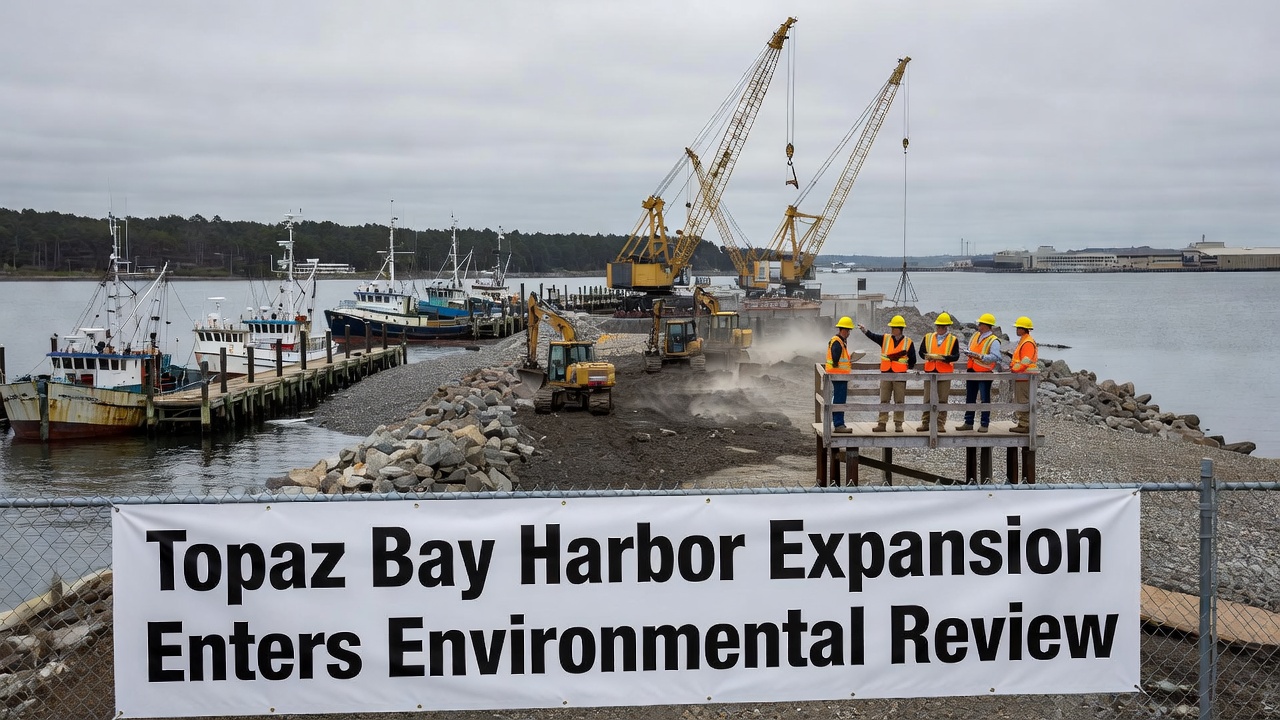
The Topaz Bay Harbor expansion project has advanced to a formal environmental review phase, drawing scrutiny from regulators and community stakeholders over potential ecological effects. Officials confirmed that the proposal, aimed at increasing vessel capacity and modernizing facilities, must comply with federal and state environmental standards before proceeding.
Project Scope and Timeline
Planners seek to add three new berths, extend the breakwater by 800 feet, and upgrade cargo handling infrastructure to accommodate larger commercial ships. The initiative is projected to cost $245 million and create 320 construction jobs over four years. Port authorities state the upgrades will support regional trade growth and reduce congestion at existing terminals. Public hearings are scheduled for next quarter, with a draft environmental impact statement expected within six months. Engineers emphasize that designs incorporate sediment management protocols to limit dredging impacts on nearby wetlands.
Funding would come from a combination of federal grants, state bonds, and port revenue. Proponents argue the project strengthens economic resilience by improving access for fishing fleets and recreational vessels. Data from similar expansions elsewhere show measurable increases in local employment and tourism revenue after completion.
Environmental Concerns and Mitigation
Reviewers are examining risks to marine habitats, water quality, and migratory bird populations. Studies will assess noise pollution, potential fuel spills, and changes in tidal flows that could affect eelgrass beds. Environmental groups have submitted comments requesting additional modeling of cumulative impacts from increased vessel traffic. Mitigation measures under consideration include artificial reef installations and stricter ballast water treatment requirements. The review process follows guidelines established under the National Environmental Policy Act, ensuring public input is documented and addressed. Officials note that final approvals hinge on demonstrating that adverse effects can be minimized to acceptable levels. Monitoring programs would continue for at least five years post-construction to verify compliance with permit conditions.